Momos GTM 深度研究
研究截止:2026-07-18|对象:Momos|视角:Typework F&B、multi-location 与 APAC→North America GTM|证据 ID 见
source_manifest.md。
1. 执行摘要
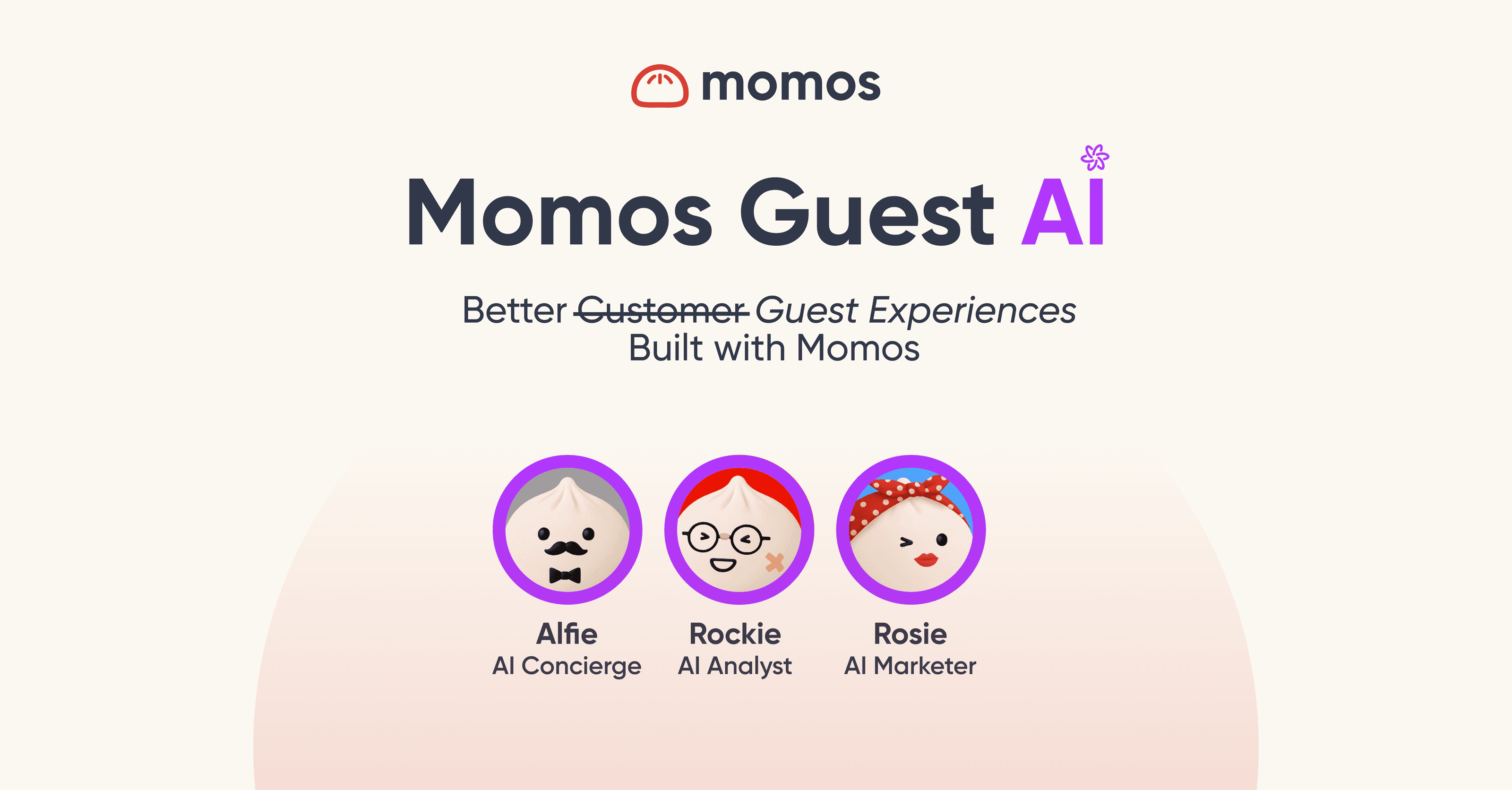
Momos 是 Typework 最值得研究的APAC 起步、北美扩张、多地点 F&B 客群案例。它从 2020/2021 年疫情后的“restaurant online operations”问题起步,用“Shopify for F&B, but in reverse”解释一个连接 content、reviews、marketing 与 analytics 的工具层;到 2024 年融资时升级为“AI-powered Customer Platform for Multi-location Brands”;到 2025–2026 年又重构为“Guest AI”,以 Customer Service、Operations/Customer Experience、Local Marketing 三条产品线和 Alfie/Rockie/Rosie 三个角色形成品牌系统。[M05][M07][M10]
当前首页的核心不是“管理软件”,而是:
AI for unforgettable hospitality
AI Agents that exceed guest expectations at every location [M01]
它把多地点复杂性放在句末,把“unforgettable hospitality”放在句首,随后用一个差评恢复故事演示:顾客 Jessica 留下配送延误/漏品差评,旧方式 7 天无结果,Momos 方式 2 分钟发送个性化补偿,顾客回访并修改评分。[M01] 这是一种非常强的 demo 架构:一个人、一条反馈、一个自动动作、一个收入结果。
Momos 的 GTM 由五个系统共同驱动:
- Founder/domain story: 创始团队来自 Uber、Grab、Microsoft、Intuit,并曾直接管理大量 F&B 商家。[M02][M07]
- 地域扩张叙事: Singapore/San Diego 双总部,先 APAC,再美国、中东与更广市场;APAC 不是需要隐藏的背景,而是市场学习证据。[M02][M07]
- Enterprise sales + demo: 当前所有主要 CTA 都指向 Book a demo,无公开价格。[M01][M02][M03][M04]
- 伙伴/集成分销: Thanx、Olo、Paytronix、Square、Otter,以及 POS/ordering/3PD/review/CDP 连接。[M04][M08][M11]
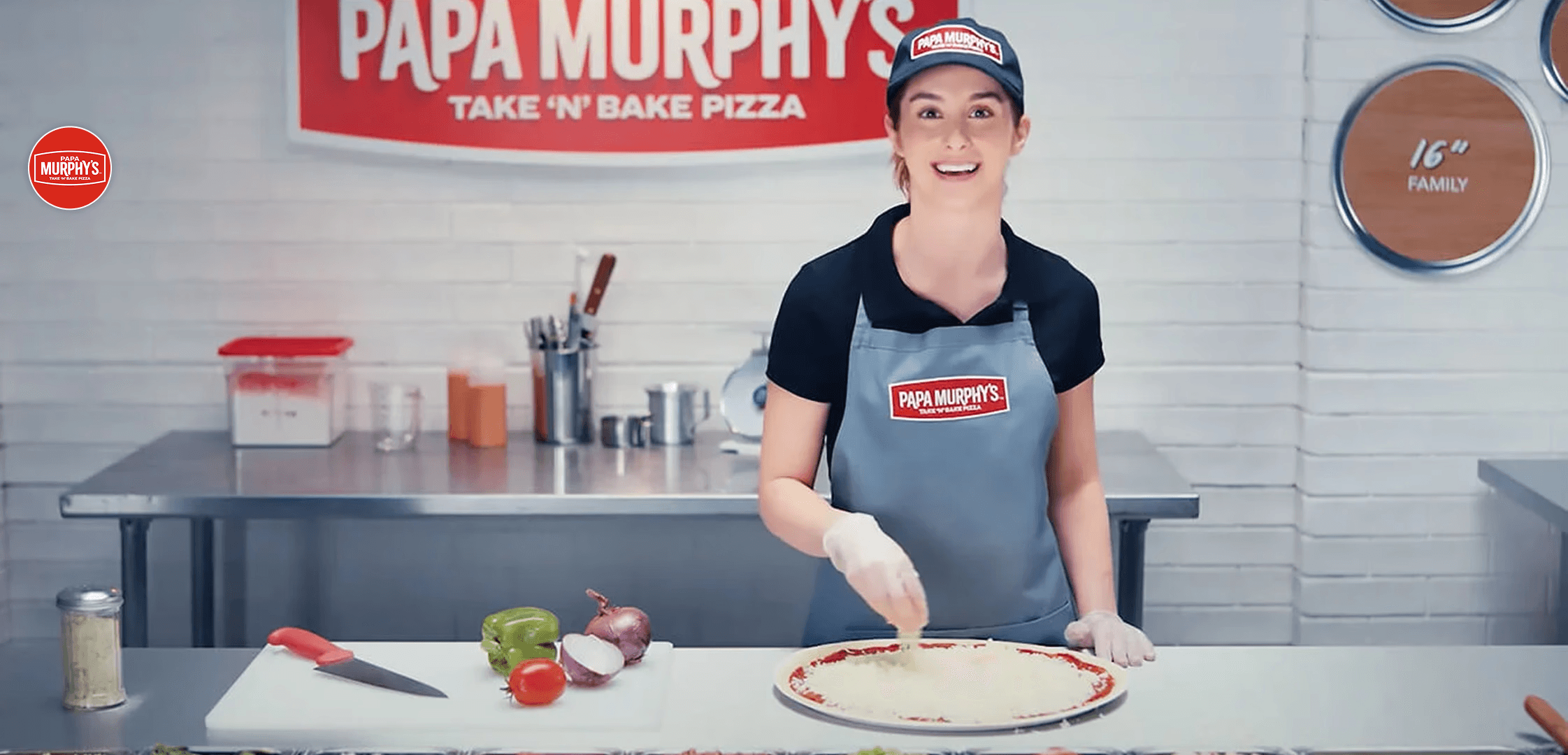
- 命名客户证据与 SEO 内容: Papa Murphy’s、Just Salad、Caribou Coffee 等案例将 review、CSAT、recovered revenue、hours saved 绑定到具体工作流;内容中心持续覆盖 restaurant AI、reputation、local SEO、operations。[M12][M13][M14]
Typework 应复制其“APAC expertise + North American customer proof + one-workflow story”,但不要复制其 enterprise-only 价格不透明或未经独立审计的大量聚合指标。
2. 公司、阶段与团队
| 维度 | 公开事实 | 研究判断 |
|---|---|---|
| 创立 | About/Series A 写 2021;seed 页写 2020;launch letter 称 2020-11 与 early partners 共建。[M02][M05][M06][M07] | 可描述为“2020 开始共建、2021 正式品牌/公司阶段”,但公司未明确统一口径。 |
| 创始人 | Sai Alluri、Andrew Liu;团队背景包括 Uber、Grab、Microsoft、Intuit;Sai 曾参与 Uber Eats/GrabFood 与餐厅运营。[M02][M05][M07] | 强 domain credibility,且 founder story 与 wedge 直接相关。 |
| 团队 | About 自报近 70 人,起初两人。[M02] | 已进入 scale-up 而非 Typework 同阶段;战术需按资源校准。 |
| 融资 | 2021 $6.5M seed;2024 $10M Series A;Series A 公告称累计 $17M。[M06][M07] | 两次融资都和市场扩张/产品平台叙事绑定。 |
| 地点 | Singapore/San Diego dual HQ(2024);当前称 US、Singapore、Abu Dhabi offices 与全球团队。[M02][M07] | 与 Typework Hong Kong→North America 最直接类比。 |
| 当前规模 | 不同页面自报 10K/20K/23K+ locations、600+/690+ brands,口径冲突。[M01][M02][M11] | 只应作为区间与趋势,不宜引用单一“精确当前数”。 |
3. ICP 与购买委员会
3.1 当前 ICP
Momos 公开写“built for owner-operated brands, franchises, and multi-location enterprises”,但其命名 proof 和功能深度明显偏多地点连锁/集团:[M03][M12][M13][M14]
- F&B / restaurant / QSR / hospitality;
- 多地点、franchise 或 portfolio group;
- reviews、delivery、survey、contact forms、loyalty、POS 等渠道分散;
- 需要总部可见性和 location-level accountability;
- 有 Customer Service/CX、Operations、Marketing 等跨职能使用者;
- 关注 repeat guest、rating/local SEO、incident reduction、recovery revenue 与 labor savings。
3.2 购买委员会
| 角色 | 痛点 | Momos 对应信息 |
|---|---|---|
| Owner/CEO/Franchise leadership | 各店体验不一致、重复客与利润 | repeat guest、revenue、20K locations/600+ brands、cross-location visibility。[M01][M10] |
| CX/Guest Relations | 多渠道反馈、回复 SLA、客诉恢复 | Unified Inbox、Alfie、auto response、customer recovery。[M01][M03][M12][M13] |
| Operations | incident、store performance、根因与执行 | Rockie、location reports、incident analytics、mobile-first insights。[M03][M11][M12] |
| Marketing | reviews/local SEO/listings/campaign/loyalty | Rosie、CDP、listings、social、AI-segmented marketing。[M03][M04][M10] |
| IT/Data | POS/ordering/3PD/reviews/CDP/API/SFTP | integration 与 location mapping。[M04] |
| Finance/Procurement | 多工具整合、劳动节省、收入恢复、ROI | case studies 与 10× ROI 主张;价格未知。[M07][M12][M13][M14] |
| Franchisee/location manager | 需要简单、移动端、明确行动 | Mobile-first operator reports、location-level reports。[M11] |
4. 初始楔子与产品扩张
4.1 2021 楔子
疫情让 restaurant interactions 转向 delivery、social、review、Google Maps 与数字广告。Momos 最初把这些在线渠道拉进一个界面,提供:[M05]
- Content Management;
- 360° Customer Service(reviews/replies/responses);
- Restaurant-specific digital marketing;
- Cross-channel analytics。
早期比喻“Shopify for F&B, but in reverse”表达的是:先给餐厅一组运营/增长工具,而不是先建消费 marketplace。[M05]
4.2 扩张路径
线上渠道分散
→ review/reply/response 统一
→ customer service + recovery
→ survey / CSAT / incident intelligence
→ CDP / local marketing / listings / campaigns
→ Guest AI:跨 CS、Operations、Marketing 的多地点平台
2024 融资时,Momos 已讲“entire customer lifecycle”;2025 Guest AI 进一步把“customer”重命名为“guest”,把重复访问与收入作为统一经济结果。[M07][M10]
5. 精确消息层级
| 层级 | 当前文案/机制 | GTM 作用 |
|---|---|---|
| 情感类别 | “AI for unforgettable hospitality” [M01] | 从软件类别跳到 hospitality outcome。 |
| 产品承诺 | “AI Agents that exceed guest expectations at every location” [M01] | 保留 AI,但把 multi-location 放进场景。 |
| 规模机制 | “Scale your guest experience, not your team” [M01] | 直接回应 labor/规模约束。 |
| 平台范围 | “End-to-end guest experience, intelligence, and operations” [M01] | 解释为何是平台。 |
| 角色化 agents | Alfie = AI Concierge;Rockie = AI Analyst;Rosie = AI Marketer。[M03][M10] | 降低功能复杂度,提高记忆。 |
| Enemy | fragmented tools、reactive teams、channels/locations disconnected。[M05][M10] | 与客户现实一致。 |
| 经济承诺 | repeat guests、recovered revenue、labor saved、ratings/local SEO、store sales。[M10][M12][M13][M14] | 使 CX 不只是 soft metric。 |
| CTA | “Book a demo” [M01][M02][M03][M04] | 明确 sales-led。 |
5.1 消息演化
| 阶段 | 主类别 | 主问题 | 证据 |
|---|---|---|---|
| 2021 | F&B e-commerce / restaurant online operations | 餐厅难以管理 online channels | early restaurant partners、founder experience。[M05] |
| 2024 | AI-powered Customer Platform for Multi-location Brands | 整个 customer lifecycle across touchpoints/locations | 10 countries、customer logos、daily use/ROI 自报。[M07] |
| 2025–2026 | Guest AI | 如何把一次性 customer 变成 repeat guest | 三 agent、case outcomes、23K+ locations 等自报。[M10][M11] |
Momos 没有永久被“Shopify for F&B”锁住;它保留客户真相(跨渠道/地点增长),更新类别语言。这对 Typework 是重要先例。
6. 发布与扩张时间线
| 日期 | 事件 | GTM 作用 |
|---|---|---|
| 2020-11 | Founder launch letter 称与 early partners 开始共建。[M05] | Design partners/anchor customers。 |
| 2021-08-26 | $6.5M seed 公告;强调 APAC、US、Australia expansion。[M06] | 融资作为跨市场扩张资源。 |
| 2021-09-29 | Founder launch letter;定义 F&B e-commerce 问题、四模块和 US upcoming launch。[M05] | 产品/思想领导力峰值,与融资分成相邻但不同故事。 |
| 2022 | About 自报支持 2,000 restaurants,并扩至 US、Malaysia、Hong Kong。[M02] | APAC proof 向北美迁移。 |
| 2023 | 推出 Customer Care / Customer Activate,并扩 Philippines。[M02] | 模块扩张。 |
| 2024-04-19 | $10M Series A;AI Customer Platform;Singapore/San Diego;累计 $17M。[M07] | 更大类别与全球/多行业叙事。 |
| 2024-05-23 | Thanx integration。[M08] | 伙伴能力 + potential distribution。 |
| 2024/2025-05-06 | L&L Hawaiian 233-location announcement;页面日期冲突。[M09] | 北美 enterprise proof。 |
| 2025-09-04 | Guest AI 类别文章(2026-03 更新)。[M10] | 品牌/产品重新定位。 |
| 2025-12-29 | Year in Review;feature、integration、scale 与 2026 roadmap。[M11] | 连续 shipping/客户结果内容。 |
| 2026-07 | 当前站点已统一为 Guest AI,持续发布 restaurant AI/operations/SEO 内容。[M01][M11] | Demand capture 与 category education。 |
7. 分销渠道
Owned
- Homepage/solution/use-case/product/integration pages;
- News/founder letters/funding/partner announcements;
- 大量 restaurant-specific SEO blog;
- Named case-study library;
- Newsletter,页面自报 50,000+ weekly readers(未验证);
- Product Education Hub、downloads、YouTube、LinkedIn;
- Demo conversion。[M01][M02][M03][M04][M05][M10][M11][M12][M13][M14]
Earned
- Series A/seed 通过投资机构与科技/商业媒体获得放大;
- Forbes Asia 100 to Watch 等公司 news index 可见,但本研究未用其作为核心证据;
- Named enterprise customers 本身创造 social proof。
Partner
- Thanx、Olo:transaction/customer engagement 与 survey feedback;[M08]
- Paytronix、Square、Otter:loyalty、post-order feedback、revenue recovery;[M11]
- POS、ordering、delivery、review、reservation、loyalty 等集成带来 product fit 与潜在 co-selling。[M04]
Geographic/local sales
- US、Singapore、Abu Dhabi offices 与全球团队;[M02]
- multi-region customer logos/cases;
- sales-led demo 支撑复杂 enterprise rollout。
Paid
页面包含 LinkedIn tracking/advertising scripts,但仅凭技术标签不能判断预算、效果或渠道重要性,因此不做 paid-media 结论。
8. 促销战术
- Founder launch essay: 用疫情与亲历 restaurant marketplace 问题建立 founder-market fit。[M05]
- 融资 announcement 作为 expansion narrative: seed 强调 APAC/US/Australia;Series A 强调 global multi-location lifecycle。[M06][M07]
- Customer co-announcement: L&L、Thanx 等同时提供品牌信誉与具体 workflow。[M08][M09]
- Named AI characters: Alfie/Rockie/Rosie 将宽平台人格化。[M03][M10]
- Before/after story: 首页 Jessica 7-day old way vs 2-minute recovery;比 feature carousel 更有戏剧性。[M01]
- Outcome-rich case study: title 本身就是 headline proof,例如 “$2M recovered revenue”“99% response time”“61% more reviews”。[M12][M13][M14]
- SEO + newsletter: 围绕 local SEO、review management、restaurant intelligence、AI agents 创建长期需求捕获。[M10][M11]
- Year-in-review: 把 shipping、integrations、customer outcomes 与 roadmap 集中成年度证明。[M11]
9. Demo 与产品体验
9.1 首页 demo 故事板
Jessica 发布漏品/延误差评
→ 旧方式:无人提醒、经理第 3 天手工看到、第 7 天仍无恢复
→ Momos:Alfie 即时识别并道歉
→ 2 分钟后自动邮件发补偿 offer
→ 顾客下周回访并更新为 4 星
→ 显示 response speed / hours saved / recovered revenue
这是 Momos 最可迁移的展示方式:把 CRM/CX/AI/automation 隐藏在一条人类故事里,然后用数据总结。[M01]
9.2 产品体验
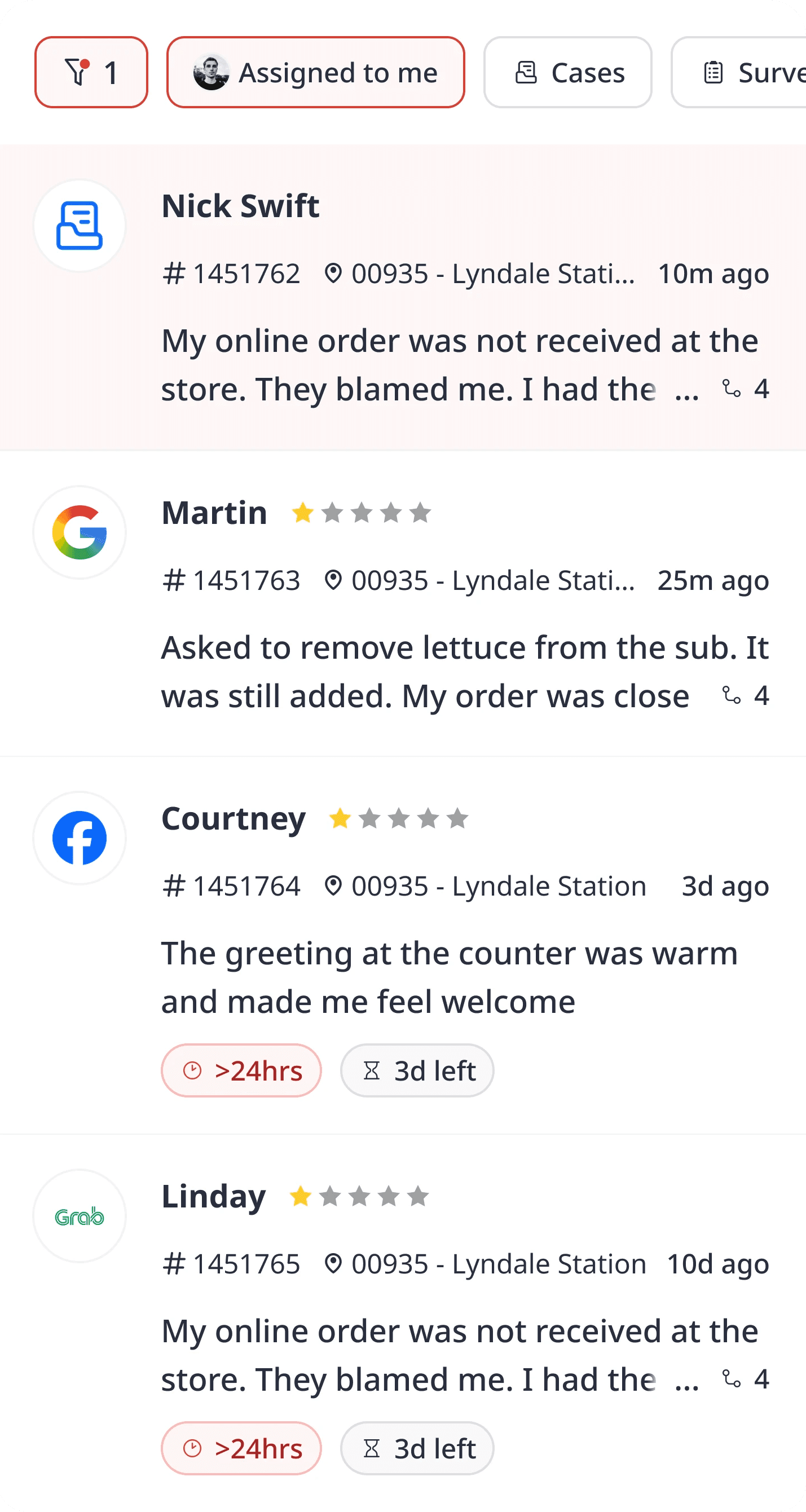
- Unified Inbox 汇总 reviews、survey、3PD、contact、support;
- AI tagging/prioritization/routing 与 on-brand response;
- recovery offer 与 redemption/review loop;
- location-level incident/CSAT/sentiment analytics;
- CDP + local campaign/listings/social;
- mobile-first operator reports。[M03][M04][M11][M12][M13][M14]
9.3 首次价值
可能是:所有渠道可见、第一条自动回复、第一位 unhappy guest recovered 或第一份 location incident report。公开资料没有标准 onboarding checklist 或 time-to-first-value,需列为未知。
10. 网站转化与定价
10.1 漏斗
SEO / partner / customer story / funding press
→ Guest AI homepage or use-case page
→ customer logo + quantified outcome
→ solution/integration fit
→ Book a demo
→ qualification + enterprise rollout
→ case-study-worthy result
→ co-marketing / referral / expansion
10.2 价格与购买摩擦
- 公开价格:未发现。
- Trial/free tier:未发现。
- CTA:以 Book a demo 为主。[M01][M02][M03][M04]
- 合同、setup fee、per-location/per-brand pricing:未知。
这与当前 enterprise/multi-location proof 一致,但不适合 Typework 2–30 人 owner-operated 主客群原样复制。Typework 应让价格/试点范围更易理解。
11. 销售动作与 collateral
11.1 推断的销售动作(仅据公开材料)
- 通过 content、customer/partner announcement 或 outbound 获得 multi-location lead;
- Demo 对齐 Customer Service、Operations、Marketing stakeholders;
- Mapping locations/channels/integrations;
- Rollout 到 selected/all locations;
- 以 response、CSAT、incident、review、recovery 衡量;
- 扩展 CDP/local marketing/integrations;
- 形成 named case 与 co-marketing。
公开页面没有完整销售流程,因此上述是基于 CTA 与案例结构的研究推断,不是已证实内部流程。
11.2 可见 collateral
- Homepage before/after demo;
- 角色/部门 solution pages;
- use-case pages;
- integration page;
- named case studies;
- founder launch letter;
- funding/partner/customer press releases;
- blog/newsletter/year review;
- Product Education Hub/downloads;
- customer logos、quotes、workflow screenshots。
缺口:无公开 price sheet、implementation plan、security/procurement packet、ROI calculator 或 standard pilot terms。
12. 客户证明架构
12.1 Papa Murphy’s
案例自报:1,086 locations;2024-07 合作后一年,Google reviews +5,451%、rating 3.96→4.72、571,946 surveys、$2M+ recovered revenue、97.7% automated replies、incident -45%、CSAT 73.7%→93.7%。[M12]
证明优点: 客户命名、合作时间、baseline/after、workflow 与 outcome 对齐。
限制: 归因、收入计算、样本/排除、外部审计均未知。
12.2 Just Salad
案例自报:95% response rate、99% faster response、1,200+ hours/month saved、1,000+ monthly interactions;页头写 120 locations,正文又写 rollout across 80 locations。[M13]
启示: 时间节省是极强 sales proof,但 1,200 hours/month 需要明确计算方法;内部规模口径必须审校。
12.3 Caribou / FoodVest
案例自报:57 locations、94% CSAT、100% engagement、450× faster response、61% more Google reviews、40% admin time saved。[M14]
启示: 同一案例同时支持 GCC geographic proof、marketing、CX 与 operations buyer。
12.4 证明等级
| 类型 | 等级 | 使用建议 |
|---|---|---|
| 命名客户 + baseline/after + 时段 | A-/B+ | 最接近强证据,但仍标注 company-reported。 |
| 命名客户 + quote + specific workflow | B | 可放 sales collateral。 |
| 聚合 “25%+ CSAT / 8–12% sales” | C | 必须写样本/方法,否则只作方向。 |
| 10× ROI / 90% daily use | C | 2024 公司公告,未审计。[M07] |
13. Onboarding 与服务层
公开 onboarding 细节有限,但多个信号指向 high-touch enterprise implementation:[M04][M12][M13][M14]
- 集成 POS、ordering、review、3PD、survey、loyalty;
- location mapping 与 data normalization;
- Papa Murphy’s quote 强调“hands-on team”;
- 多部门 dashboard/工作流对齐;
- rollout 可能跨几十至上千地点;
- 持续调整 brand voice、automation、offer 与 incident taxonomy。
M04 又用“out-of-the-box setup in seconds”描述 integrations。两者可能分别代表技术连接与完整运营上线;不应把前者解读为全客户数秒 onboarding。
Typework 应测量并公开:integration time、first mapped location、first workflow live、first measurable result、客户投入小时。
14. 合作伙伴与生态
| 伙伴类型 | Momos 示例 | GTM 价值 |
|---|---|---|
| Customer engagement/loyalty | Thanx、Paytronix | 数据入口、survey/recovery、co-marketing。[M08][M11] |
| POS/ordering/payments | Square、POS、online ordering | 订单与 location data,减少孤立 insight。[M04][M11] |
| Delivery/3PD | DoorDash、Uber Eats 等页面示例 | 多渠道 customer context。[M04] |
| Revenue recovery | Otter(公司年报提及) | 相邻 workflow 与 partner credibility。[M11] |
| Review/discovery | Google、Yelp、TripAdvisor 等 | 核心 acquisition/reputation surface。[M04] |
| Capital/network | Sequoia/Peak XV、645 Ventures、Alpha Wave 等 | 招聘、信誉、区域扩张。[M06][M07] |
伙伴公告的价值不只是 feature;如果伙伴拥有大量餐厅地点,它还可能成为分销入口。公开资料未披露 referral/co-sell economics,不能假设渠道贡献。
15. 地理扩张与本地化
15.1 路径
Singapore/APAC design partners
→ 2021 seed + US expansion narrative
→ 2022 US/Malaysia/Hong Kong
→ Singapore/San Diego dual HQ
→ 2024 Middle East
→ US/Singapore/Abu Dhabi offices + global coverage
资料显示 Momos 把 APAC 运营履历作为正面 credibility:创始团队在 UberEats/GrabFood 管理商家,由此理解跨平台/地点的痛点。[M02][M05][M07]
15.2 本地化机制
- 当地 office/team;
- regional customers/case studies;
- local platform integrations;
- 多地区 restaurant group/workflow;
- 根据 Google/review/delivery/POS 生态适配;
- Middle East 通过 Caribou/FoodVest 案例证明。[M02][M04][M14]
Typework 应使用“Hong Kong/APAC 学到什么、哪些结果可以迁移、北美做了哪些本地系统与服务调整”,而不是用模糊的 global claim。
16. 负面与不确定证据
- 公司/客户规模数字在 10K/20K/23K+ locations、600+/690+ brands 间冲突。[M01][M02][M11]
- 创立年份 2020/2021 不一致。[M02][M05][M06][M07]
- L&L 公告页面日期与正文相差一年。[M09]
- Just Salad 120/80 locations 口径未解释。[M13]
- 绝大多数结果是第一方 case,自报且无方法/独立审计。
- 无公开定价、合同、sales cycle、renewal/churn、implementation time。
- 2021 broad toolset 到 2025 broad Guest AI 显示平台持续扩张;功能广度可能带来 onboarding/定位复杂度。
- “owner-operated”被列为客群,但公开 proof 主要是 large multi-location brands;小客户实际 fit 与经济性未知。[M03]
- 50,000 weekly newsletter readers、90% daily use、10× ROI 等均未独立验证。[M07][M10][M11]
- “setup in seconds”只适合解释 connector,不应扩展为 enterprise rollout 承诺。[M04]
17. GTM 经验
Copy
- 用 APAC 实战经历支持北美扩张;
- 用一个顾客事件演示宽平台;
- 为不同部门给 agent/角色和结果;
- 每个融资窗口带产品/市场进展;
- 将 integration partner 转为内容与潜在分销;
- 用命名客户、baseline、时段、workflow 形成 proof。
Adapt
- Momos 的 enterprise demo/implementation 适合大连锁;Typework Phase 1 应减少 stakeholder 和集成数量;
- Alfie/Rockie/Rosie 的角色化可以启发 Max,但避免同时推出过多角色;
- Guest AI 的情感类别可改为 Typework 对 owner-operator 的“business stays visible / nothing falls through”结果。
Avoid
- 当前规模数字不统一;
- 用很多聚合 ROI 声明却不解释方法;
- 无公开价格地服务小 owner-operated buyer;
- 宽平台在首屏同时讲 CS、Ops、Marketing 全部能力;
- 把 content reach 当 customer acquisition proof。
18. Typework Copy / Adapt / Avoid
| Copy | Adapt | Avoid |
|---|---|---|
| APAC→NA proof story;one-guest demo;department-specific outcomes;partner co-announcement;named case with baseline | Enterprise Guest AI → one Fitness workflow;three agents → one Max + role views;demo-only pricing → clear pilot/starting price | 不一致的规模数据;未经方法说明的“大 ROI”;把所有 vertical/teams 同时放首页;把 integration speed 等同上线速度 |
19. 五个 Typework 实验
实验 1:One Customer Event Demo
- 执行: 选一个 Fitness prospect 场景:lead 未回复/会员投诉/课程空位;展示 old way 与 Typework way。
- 限制: 90 秒,只展示触发、业务上下文、Max 动作、owner approval、结果。
- 指标: 看完后 30 秒复述准确率、demo→pilot、最常被问的风险。
- 决策: ≥70% 买家能准确复述价值,作为 launch hero demo。
实验 2:APAC Proof Transfer Page
- 内容: APAC 学到的 3 个多地点运营事实、1 个命名结果、北美适配的 integration/support/compliance 变化。
- 测试: 与不提 APAC 的 generic founder page A/B。
- 指标: North America qualified demo rate、信任评分、对地域的异议。
- 决策: 信任评分提升且异议不增加,正式把 Hong Kong origin 放进 launch story。
实验 3:Partner Distribution Pilot
- 伙伴: 一个 franchise consultant、vertical payment/scheduling provider 或 local association。
- 产物: 联合 webinar + one workflow template + referral tracking。
- 指标: 注册→合格会谈、partner-sourced pilot、每线索成本、伙伴复发意愿。
- 决策: 45 天内 ≥3 个 qualified opportunities 或 1 个付费 pilot,继续产品化渠道包。
实验 4:Proof Method Card
- 执行: 每个公开结果必须附 baseline、period、locations、data source、calculation、customer approval。
- 指标: 可升级为 A/B 级的证据比例;sales calls 引用率。
- 决策: 没有 method card 的数字不进入首页/PR。
实验 5:Transparent Pilot Pricing
- 版本:
Book demo onlyvsPilot from [range], one location, one workflow, four weeks。 - 指标: total demo、qualified demo、price objection、签约周期、support load。
- 决策: 透明版本 qualified rate 不低于 control 且周期缩短 ≥20%,首发采用透明范围。
20. 结论
Momos 最重要的启示不是“做更多 restaurant features”,而是如何把一条 APAC 出发的产品线逐步升级:先从疫情后的明确 channel problem 建立 wedge,用 early partners 共建;再用融资支持区域扩张;用北美/GCC 命名客户证明跨市场;最后把 Customer Service、Operations、Marketing 汇总为 Guest AI 类别。Typework 可以借用这条路径,但应更严格地控制首发范围、价格透明与证据口径。最强的 Typework 版本不是声称“global AI OS”,而是:我们从 APAC owner-operators 学到一个跨地点必然发生的昂贵问题,并能在北美客户自己的业务里,让一次事件更快变成可见、可控的结果。